

Personalised promotions get misunderstood in a very specific way. A lot of teams think personalized means cosmetic: put the customer’s first name in an email, generate a coupon code that looks custom, maybe show a “recommended for you” module, and call it a day.
Real incentive personalization is about relevance: offering the right value, to the right person, at the right moment, with the right rules. And when you do it properly, the upside isn’t just conversion. It’s a quieter win that finance and operations feel immediately: less wasted discounting.
Because the dirty secret of broad promotions is that you end up discounting customers who would have bought anyway, while still failing to convert the ones who needed a nudge. Personalization flips that equation. You stop treating discounts as confetti and start treating incentives as a decision system.
This guide is the definitive, practical version of that idea:
A personalized promotion is an incentive whose eligibility, value, timing, and delivery are determined by customer context. You read that right – not identity, but context. Context can be:
A personalized promotion answers four questions:
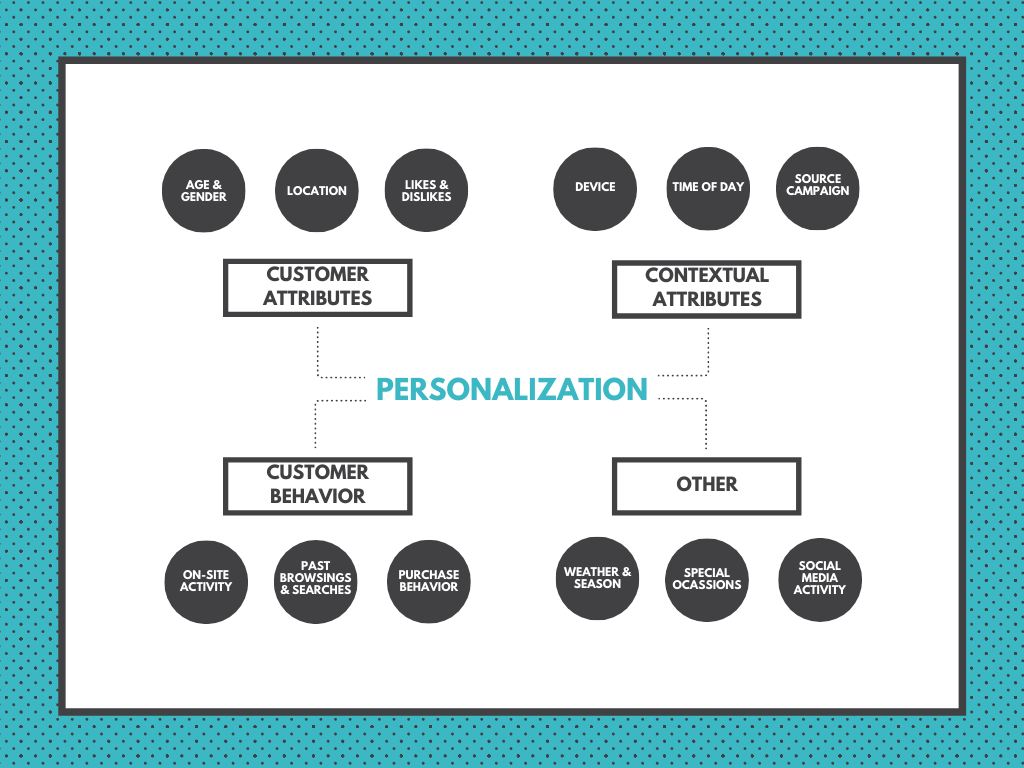
Most teams start personalization because they want higher conversion. The better reason is precision.
Broad promos leak margin because they reward people who were already going to buy. Personalized promos reduce that by focusing incentives on customers who are:
Blanket discounts teach customers to wait. Personalized incentives can be more controlled. For example, triggered by behavior, limited by time, orscoped to products. That keeps the personalized deal from becoming your default pricing.
Relevance means you can use incentives to shape baskets:
The best retention incentives feel like help, not bribery. Think of a “next purchase” credit after the first order, a replenishment nudge at the right interval, or a win-back offer that matches what they actually buy. When incentives match behavior, repeat purchase feels natural.
Promotion personalization doesn’t have to begin with machine learning. Most programs win big with simple segmentation done well. Think of it as levels:
If you’re early: get to level 2 and you’re already ahead of most brands.
Before we jump into best practices and examples of personalization done right, let’s make sure that you know some of the personalization deadly sins. Personalization is a double-edged sword and it can be a tool that can win your customers over but also discourage them from ever having anything to do with your business ever again.
A custom coupon code like JULIA-10 isn’t personalization unless the offer behind it is different. Better personalization levers:
High redemption is easy if you give away enough margin. The real question is: what changed because of the offer?
You can often reduce discount depth by sending the right message at the right time:
Timing is the cheapest form of personalization.
Customers hate feeling like pricing is arbitrary. If you personalize heavily, add logic that preserves fairness:
Below are patterns that tend to work across industries. They’re “personalized” because eligibility/value is contextual, not because the email says “Hey friend.”
Who: new customers after first purchase
Offer: “€10 off next order within 14 days” or “free shipping on order #2”
Why it works: second purchase is where retention starts
Guardrails: one per customer, threshold to protect margin, expires fast
Who: cart abandoners with high intent
Offer: start with free shipping; escalate only if needed
Why it works: you don’t burn a % discount unless required
Guardrails: don’t apply to already discounted items; cap per user
Who: customers with clear category affinity
Offer: discount only in that category (or bundle complements)
Why it works: relevance goes up, leakage goes down
Guardrails: exclude low-margin SKUs, limit stacking
Who: customers at 45/60/90 days without purchase
Offer: step-up sequence: content → small incentive → stronger incentive
Why it works: not every lapsed customer needs a discount
Guardrails: stop once they convert; cap to avoid “wait for coupon” behavior
Who: high-LTV or high-frequency customers
Offer: early access, gifts, free shipping, multiplier points—not always % off
Why it works: reinforces status without training on discounts
Guardrails: budget caps and clear tier qualification rules
Who: predictable repeat cycles (beauty, supplements, pet, etc.)
Offer: small credit if they reorder on time
Why it works: prevents churn by reducing friction
Guardrails: time-box it; don’t subsidize late purchases forever
Putting a name in a subject line is easy. Making an incentive feel perfectly timed and genuinely useful is harder, but that’s what moves metrics without burning margin. Personalized promotions, done properly, become a competitive advantage because they turn your promo stack into a decision system:
If you take one thing from this guide, let it be this: Personalization isn’t “who you are.” It’s “what you need right now,” enforced by rules you can trust.


.svg)

