

In the consumer-centric world, you need to provide a seamless customer experience regardless of channel or device. The same is true for sharing coupons with your customer base. Follow this article to see how to effectively send coupons to customers, what channels to use, and finally how to combine principles of omnichannel marketing with your coupon strategy.
You might ask what omnichannel marketing is. It’s a true buzz word of digital marketing but the concept behind it is quite simple. In a nutshell, an omnichannel marketing strategy uses all available channels and customer touchpoints that create one, seamless customer experience that supports a real-time dialogue with all customers interacting with your brand. With today’s technology, brands can easily register customer’s responses to messages and decide about the next best actions.
.png)
As coupons continue to be one of the most effective ways of driving sales, using multiple channels to send special deals to costumers is a much-needed boost to any coupon strategy. Coupons are a key motivating factor driving quick purchase decisions. If someone has been on the fence about buying, a 20% discount delivered to a mobile device or email inbox may be just enough to get them to make up their minds.
Emails are still the most effective marketing medium once you can turn them into personal, well-targeted offers. Remember that personalization is far more than just a name in a subject line and a coupon code inside. You also need dynamic segmentation and automation to generate hundreds of tailored messages that match customer profile, recent activity, and circumstances and send them at the right time and proper context.

SMS is the best choice once you reinforce your strategy with geofencing and geo-oriented coupons. Using geolocation increases the chances of catching a customer in the right place at the right time. Sending coupons via SMS is a fantastic way to create a sense of intimacy between your brand and consumers. Moreover, with incentive-based mobile marketing you get to use the channel that has noted a rapid growth yet remains fairly cheap (average 0.75$/impression for mobile ads) and accessible for growing brands.
Push notifications with coupons can successfully empower customer service. As e-commerce goes mobile, in-app notifications are an effective form of communication with your audience. According to recent data, 25% of consumers engage in online shopping only via mobile. You can use quick notifications with coupons to keep your customers informed about current deals and improve your customer service. The effort put into customer care is much more beneficial than care about sales itself. In the era of the internet, when almost everyone is connected, notifications are not only an easy but also cheap way to reach an enormous group of consumers.
The world of ads is tricky – it’s easy to pay for something that may never be noticed but costs a lot, as often happens with social media ads. This is why it may be worth using more creativity and new ideas in order to start advertising your brand. Well-targeted coupon campaigns make ads more reliable and noticeable wherever you put them. With attractive discounts wrapped into catchy campaigns, your ads get a proper chance to compete with the market giants who occupy the best places in social media and AdWords.
The marketing power of social media is undeniable. Although giant brands have dominated the world of social ads in the same way they rule Google AdWords, small and middle-size businesses still have a chance in this race. To stand out from the crowd, use creative and personalized ideas:
Influencer outreach pays off and increases ROI if you can effectively secure your brand against fraud. The huge power of influencers’ outreach quickly became a source of a growing number of misuses. By sharing vouchers with influencers, you can emphasize your marketing message and avoid fraud at the same time. Unique incentives provide your campaigns with detailed tracking of influencer’s interactions during the whole campaign, so there is no need to worry about fraud and you can focus on choosing the right influencers.
The good news is that there is a chance for small companies as well, you don’t have to spend lots of money and search far away to find the best influencers. If you put yourself in the consumers’ shoes, whose opinion would you value the most? Of course, other consumers’ who are already familiarized with your products. Opinions from your customers can firstly be displayed on your blog, landing page, or app (testimonials), and then you can ask customers to share your content on their social profiles or blog and offer a special coupon in response, sounds good?
When considering large scale marketing campaigns, implementation across a distributed organization that spans multiple business partners may easily become the elephant in the room. Collaboration with coupon websites is a great way to increase coupon sales but it has to be well-planned and secured by building an appropriate distribution network. You have to provide automatic coupon management and maintain it with an overview of current campaigns’ performance.
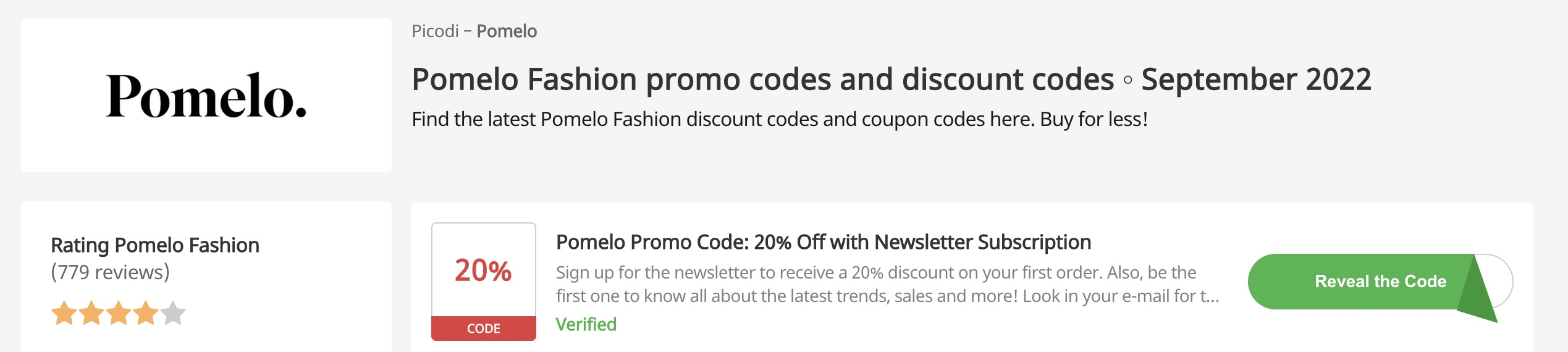
You can promote your coupons via flyers, newspapers, or even displayed on a shop counter – especially if your target group is not all digital natives. While searching the web, you can find many inspiring examples of coupon campaigns, such as the Marina Auto Body campaign, where company owners have used Starbucks coupons to thank their customers. What’s inspiring here is that they wrote and signed up handmade thanks and added them to each coupon.
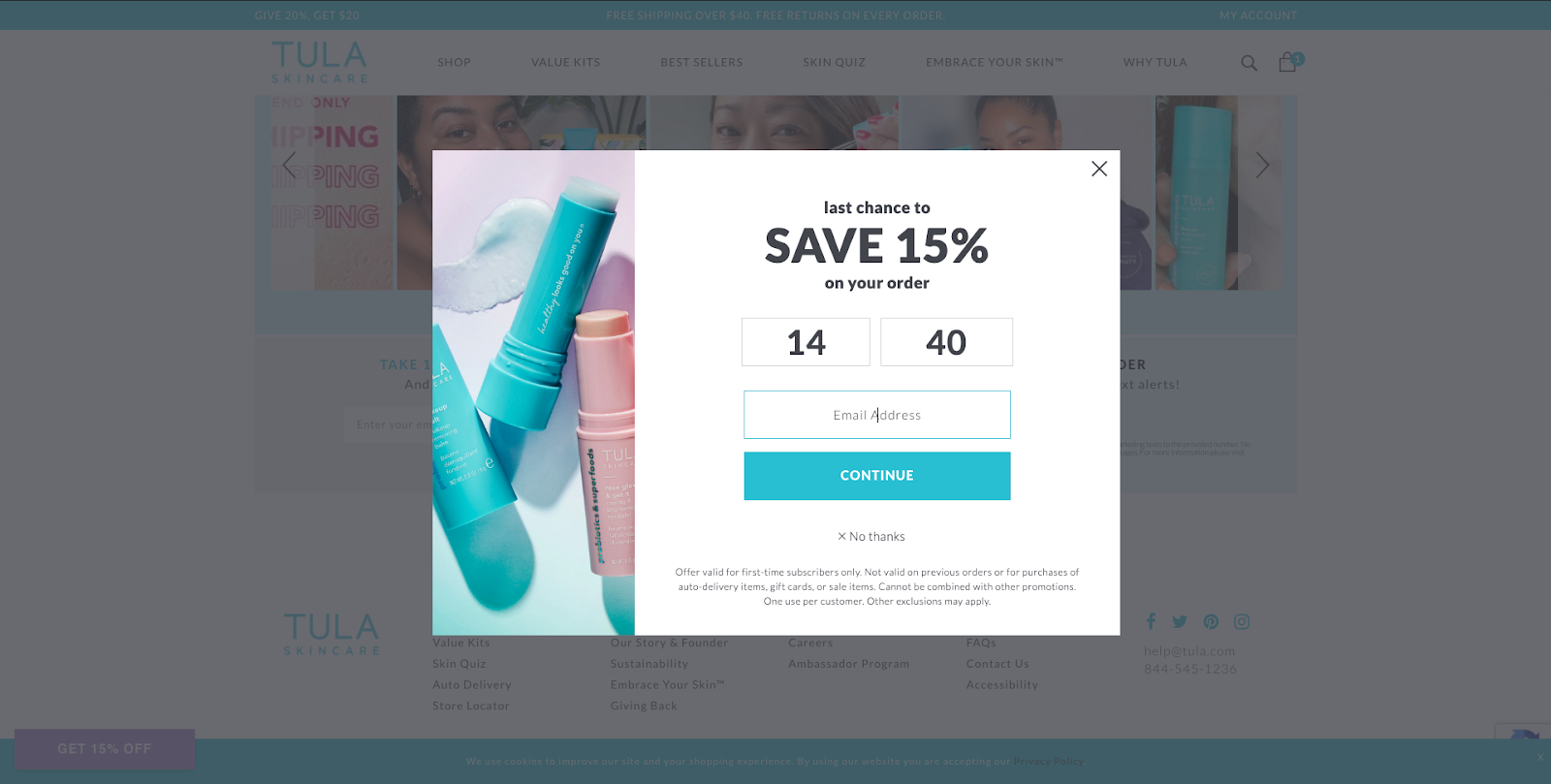
Should you display pop-ups on your web page? Yes, you should. Should you add a coupon to a pop-up? Yes, of course. But primarily, you have to be sure your pop-up is done right. If you take care of an appropriate incentive (nice coupon) it will be enough to make a pop-up attractive for your visitor – there is no need to dazzle users with a big, flashy box. If your pop-ups disturb users, they’re very likely to leave your site and never come back. When you already have a nice pop-up, the best practice is running tests which estimate which places and discounts bring the best results.
“Co-marketing is about sharing audiences and resources between two complementary brands to execute a campaign that neither one could do as effectively alone.”
Why co-marketing? If you step out of your market, you’ll find many companies that target a similar audience. Affiliate programs don’t have to be only about sales, indeed, by cooperating, both brands get access to new clients. Coupons can be a great beginning to encourage a foreign audience to try your products/services.
With modern technology, you can be sure that appropriate coupon software will cover your omnichannel communication needs entirely, without harming your budget. Here are a few things you should take care of to make sure that your coupon distribution strategy works:
The initial preparation of your team for omnichannel software solutions and new coupon sharing channels is vital to make them efficient in the future. Today’s technology offers immersive possibilities but only if you learn how to use them first, and fit them into your kind of business.



.svg)


